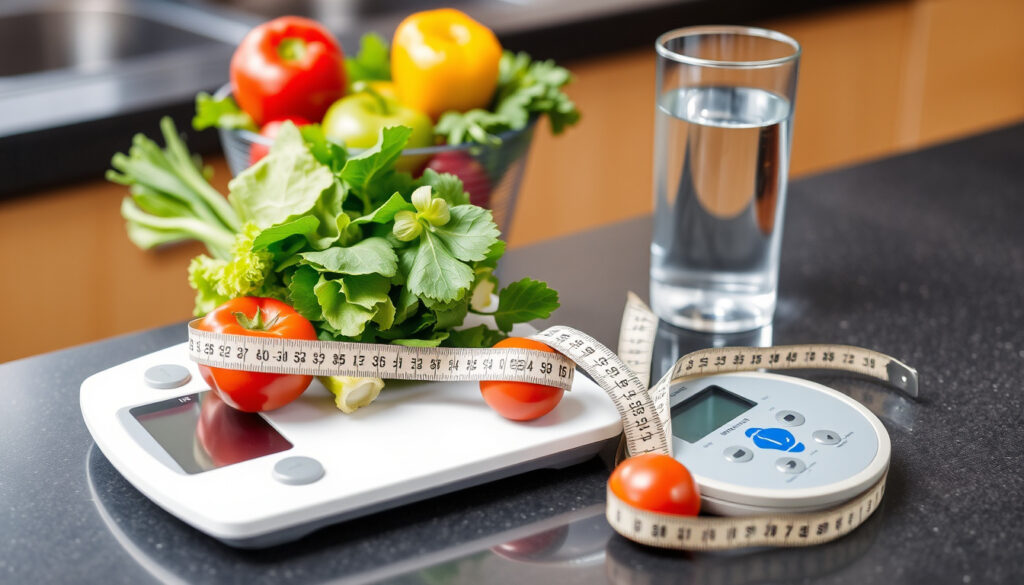
How to Lose Weight: Science-Backed Tips and Safe Strategies
If you’ve ever searched for how to lose weight, you’ve probably stumbled through a maze of detox teas, 7-day plans, and magic pills. The truth is more straightforward—and also harder to sell: losing just 5% of your body weight can lower your risk for heart disease and type 2 diabetes, according to the CDC (U.S. public health agency).
Adults trying to lose weight in the U.S.: 49% (CDC) · Recommended weight loss for health benefits: 5-10% of body weight (NIH) · Calories in one pound of fat: 3,500 calories (Mayo Clinic) · Safe weekly weight loss rate: 0.5–1 kg per week (NHS)
Quick snapshot
- A calorie deficit of 500–750 kcal per day leads to sustainable weight loss (CDC (U.S. public health agency)) (PMC Nutrients Review (peer-reviewed journal))
- Combining diet and exercise is more effective than either alone (PMC Nutrients Review (peer-reviewed journal))
- Crash diets often fail long-term due to metabolic slowdown (Harvard Health (academic medical publication))
- Whether the 3-3-3 rule is backed by robust clinical trials
- If skipping breakfast is better than skipping dinner for weight loss
- Exactly which specific foods target belly fat reduction
- Whether drinking green tea alone can cause significant weight loss
- Steady loss of 1–2 lbs per week typically shows visible results in 4–8 weeks (Harvard Health (academic medical publication))
- Plateaus often occur after 6 months; metabolic adaptation can slow further loss (PMC Nutrients Review (peer-reviewed journal))
- Focus shifts to maintenance: sustained healthy eating, physical activity, and monitoring (CDC (U.S. public health agency))
- Prescription medications or medical supervision may help some when lifestyle changes aren’t enough (CDC (U.S. public health agency))
Four key metrics sum up the evidence on how to lose weight safely.
| Metric | Value |
|---|---|
| Safe weekly weight loss | 0.5–1 kg (1–2 lbs) |
| Calories deficit needed per kg | 7,700 kcal |
| Daily deficit for 0.5 kg/week | 500–600 kcal |
| Adults with overweight/obesity in the U.S. | 73.6% (NCHS, 2017–2020) |
The pattern: gradual, consistent deficits produce reliable results without harming metabolism.
What is the easiest way to lose weight?
Making small dietary changes
- Swap ultra-processed foods for whole foods – the 2025–2030 Dietary Guidelines strongly recommend this based on links to obesity and heart disease (PMC Critical Narrative Review (peer-reviewed journal))
- Reduce portion sizes and replace sugary drinks with water or unsweetened tea (Stanford.edu (behavioral research))
- Include lean protein and fiber at every meal to boost satiety
These swaps cut calories without making you feel deprived – the easiest path to a deficit.
Increasing physical activity
- The CDC recommends 150 minutes of moderate-intensity aerobic activity per week for weight maintenance (CDC (U.S. public health agency))
- Adding strength training helps preserve muscle mass during weight loss
- Even daily 30-minute brisk walks can tip the energy balance
Movement burns calories and improves body composition, but it’s most effective when paired with dietary changes.
Staying consistent
- Behavioral support, such as working with a dietitian or joining a group, improves long-term adherence (CDC (U.S. public health agency))
- Tracking food intake or weight weekly can reinforce habits
- Consistency beats perfection – missing a day doesn’t erase progress
The implication: weight loss is a marathon, not a sprint, and the easiest method is the one you can stick with.
Rapid methods promise quick results but often backfire. The CDC notes that losing more than 2 pounds per week risks muscle loss and metabolic slowdown, making long-term success harder.
How to lose 5kg in 7 days?
Is it realistic?
- Losing 5kg in 7 days would require a deficit of ~38,500 kcal – nearly 5,500 kcal per day – which is physiologically impossible for fat loss alone
- Most of the lost weight will be water and glycogen, not fat (Harvard Health (academic medical publication))
- The NHS advises that sustainable loss is 0.5–1 kg per week
Potential health risks
- Very low-calorie diets (<800 kcal/day) can cause gallstones, nutrient deficiencies, fatigue, and hair loss (Harvard Health (academic medical publication))
- Crash dieting slows resting metabolic rate, making rebound weight gain likely (PMC Nutrients Review (peer-reviewed journal))
- Medical supervision is required for any extreme calorie restriction
Safe alternatives
- Focus on losing 1–2 lbs per week for lasting results
- Aim for a 500–750 kcal daily deficit through diet and activity (Harvard Health (academic medical publication))
- Use a structured plan like the Mediterranean diet, which supports weight loss with whole foods and healthy fats (OKState Library (dietary pattern review))
What this means: a 7-day quick fix is a mirage. Real weight loss takes time, but the results last.
What is the 3 3 3 rule for weight loss?
What does the rule entail?
- The 3-3-3 rule typically means: 30 minutes of exercise, 3 meals, and 3 food groups per meal
- It’s a simplified structure for portion control and activity frequency
- No single authoritative source defines it uniformly; it circulates on social media and wellness sites
How to apply it
- Example: 30-min brisk walk daily, three balanced meals (protein, vegetable, whole grain), three snacks if needed
- Can be a useful mental framework but not a prescriptive medical guideline
Evidence behind the rule
- No robust clinical trials have tested the exact 3-3-3 rule as a protocol
- Its components – daily exercise, structured meals, balanced portions – align with general advice from sources like the CDC (U.S. public health agency) and Harvard Health (academic medical publication)
The catch: the 3-3-3 rule is a handy reminder, not a scientifically validated program. Use it as a starting point, not a prescription.
What drink burns belly fat in 7 days?
Myth of spot-reduction drinks
- No beverage can selectively target belly fat; fat loss occurs across the whole body in a calorie deficit
- Claims of belly-fat-burning teas are not supported by evidence
Hydration and metabolism
- Drinking water before meals can help control appetite, leading to reduced calorie intake (Stanford.edu (behavioral research))
- Replacing sugary drinks with water can cut hundreds of calories daily
Green tea and caffeine effects
- Green tea contains catechins and caffeine that may slightly increase metabolic rate (PMC Nutrients Review (peer-reviewed journal))
- The effect is small – about 3–5% increase in energy expenditure – and not enough to cause significant belly fat loss on its own
- Black coffee and unsweetened tea are good low-calorie alternatives
The trade-off: swapping one drink for another won’t transform your waistline without an overall calorie deficit.
People want a drink that melts belly fat, but the very desire for a shortcut often leads to expensive supplements that do nothing. The real fat-burning “drink” is a consistent calorie deficit.
Which meal is best to skip for weight loss?
Intermittent fasting approaches
- Time-restricted feeding (e.g., 16:8 eating window) limits the hours you eat, often reducing total intake
- Intermittent energy restriction has been shown comparable to continuous restriction for weight loss (PMC Nutrients Review (peer-reviewed journal))
Skipping breakfast vs. dinner
- Studies suggest skipping breakfast may lead to overeating later in the day for some people (CDC (U.S. public health agency))
- Skipping dinner can fit a fasting window but may disrupt social eating or cause late-night cravings
- No single meal is inherently better to skip; personal adherence matters more
Impact on metabolism and hunger
- Skipping meals does not “boost metabolism” – the thermic effect of food is spread across remaining meals
- For some, fewer eating occasions helps reduce total calories; for others, it triggers rebound hunger
The pattern: there’s no universal best meal to skip. The most effective approach is the one that fits your lifestyle and doesn’t lead to compensatory overeating.
How to Lose Weight Safely: A Step-by-Step Approach
Based on the evidence from the CDC, Harvard Health, and recent dietary guidelines, here is a simple step-by-step plan for sustainable weight loss.
- Set a realistic goal: Aim for 1–2 lbs (0.5–1 kg) per week – the rate recommended by the CDC (U.S. public health agency) for safe, lasting results.
- Calculate your daily calorie goal: Subtract 500–750 kcal from your maintenance calories. Track intake using an app or food diary for at least a few weeks.
- Prioritize whole foods: Fill half your plate with vegetables, a quarter with lean protein, and a quarter with whole grains. Limit ultra-processed foods per the 2025–2030 Dietary Guidelines (PMC Critical Narrative Review (peer-reviewed journal)).
- Move every day: Get at least 30 minutes of moderate activity (brisk walking, cycling, swimming) most days. Add strength training twice a week to preserve muscle.
- Hydrate wisely: Replace sugary drinks with water, sparkling water, or unsweetened tea. This alone can cut 100–300 kcal per day (Stanford.edu (behavioral research)).
- Monitor and adjust: Weigh yourself weekly at the same time. If you plateau for more than 3 weeks, reassess your calorie intake or increase activity.
- Get support: A healthcare professional or dietitian can help tailor your plan and improve adherence (CDC (U.S. public health agency)).
Confirmed facts
- A calorie deficit leads to weight loss (Harvard Health (academic medical publication))
- Exercise improves body composition and health (Harvard Health (academic medical publication))
- Crash diets often fail long-term (PMC Nutrients Review (peer-reviewed journal))
- 5% weight loss reduces health risks (CDC (U.S. public health agency))
What’s unclear
- Effectiveness of the 3-3-3 rule
- Whether skipping breakfast is better than dinner
- Exact role of specific foods in belly fat reduction
- Whether drinking green tea alone can cause significant weight loss
The implication: a structured plan with support from professionals increases success.
Expert perspectives on weight loss
“To lose weight you need to use more energy than you consume – and it’s important to make changes you can stick to.”
“A safe and realistic rate of weight loss is 1 to 2 pounds per week. Anything faster increases the risk of complications like gallstones and nutrient deficiencies.”
Harvard Health (academic medical publication)
These two voices – a national health authority and a leading medical school – agree on the fundamentals: slow and steady wins the race.
Summary
The science of weight loss is settled: create a moderate calorie deficit, choose whole foods over processed ones, move your body consistently, and be patient. The promise of rapid fixes is almost always a trap – they don’t deliver lasting change and can harm your metabolism. For anyone trying to lose weight, the choice is clear: adopt gradual, sustainable changes backed by evidence, or risk the cycle of weight regain.
Understanding how many calories to consume each day is crucial for weight loss, and you can find detailed guidance on daily calorie targets.
Frequently asked questions
Which body part loses fat first?
Fat loss is dictated by genetics and hormones, not by which muscles you train. You cannot spot-reduce. Most people lose fat from the face, arms, and chest before the belly and hips.
What is the #1 worst food for weight gain?
Sugar-sweetened beverages are consistently linked to weight gain because they provide calories without satiety. The CDC (U.S. public health agency) recommends limiting them for weight management.
What’s the worst carb for belly fat?
Refined carbohydrates like white bread, pastries, and sugary cereals are associated with increased visceral fat. Whole grains are a healthier choice.
How can kids lose weight safely?
Childhood weight loss should be supervised by a pediatrician. Focus on family-based healthy eating, physical activity, and limiting screen time – never put a child on a restrictive diet without medical advice.
How can I lose weight fast naturally and permanently?
Rapid and permanent are contradictory. For natural, lasting loss, aim for 1–2 lbs per week through a balanced diet and regular exercise. The long-term maintenance comes from habits, not speed.
Can drinking water alone help me lose weight?
Water can aid weight loss by boosting satiety and replacing high-calorie drinks, but it’s not a standalone solution. A calorie deficit remains essential.
More related posts
 Global Shop Direct – Current Status and Rebrand History
 Derrick Lewis: Record, Knockouts, Retirement & More (2025 Guide)
 Matthew Lillard: Career, Shaggy Voice, Sobriety & More
 Joanne Froggatt: Biography, New Series, Children, and More
 Ben Fordham: Salary, Net Worth, Career, and Personal Life
 How to Make Roasted Vegetables: Tips, Seasonings & Recipes
 Zac Brown: Divorce, Lawsuit, and Engagement to Kendra Scott
 Cade Cunningham Collapsed Lung: Recovery Timeline & Facts
